
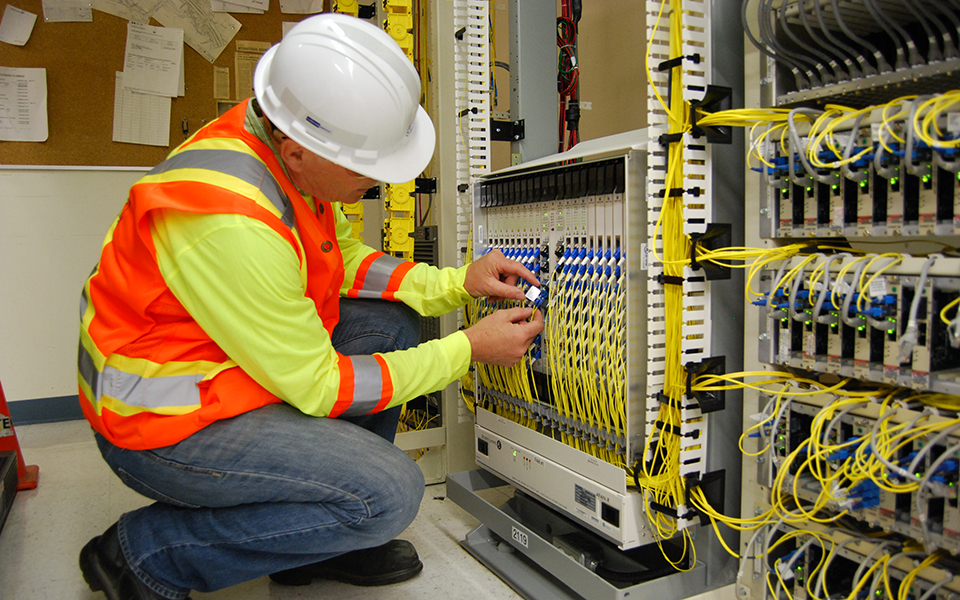
A growing workforce shortage poses challenges to the rapid deployment of broadband infrastructure. A study commissioned by the Fiber Broadband Association estimates that 186,900 technicians will be required to execute the Broadband Equity Access and Deployment (BEAD) program. However, a shortage of 30,000 technicians is anticipated between 2025 and 2030. Similarly, the Federal Communications Commission’s Broadband Deployment Advisory Committee reports an additional 20,000 technicians will be needed over the next decade to support network expansions and upgrades.
Opportunities for Schools and Businesses
Educational institutions and businesses have an essential role in equipping learners and staff with the skills needed for this AI-driven era. Training programs in broadband technology can address industry demands while providing learners with a clear pathway to high-paying, stable careers.
AI is reshaping how we design, build, and maintain broadband technology. The need for a highly skilled workforce spans not only the construction and operation of data centers and next-generation networks but also extends to improving digital access in rural areas, enhancing connectivity for small businesses, and helping Managed Service Providers (MSPs) expand their product offerings.
Broadband Skills for an AI-Powered World
As the demand for high-speed internet and digital connectivity surges, broadband technology is evolving to meet the challenges of an AI-powered future. New data centers—integral to supporting AI workloads—are being constructed at a record pace. These projects rely on the installation and maintenance of critical infrastructure such as fiber optic cabling, which has become the standard for modern data centers, creating not only immediate construction jobs but also long-term opportunities in broadband technology and telecommunications. For schools, businesses, and organizations seeking to prepare their students and staff for these opportunities, now is the time to act.
Industry Trends Shaping Broadband Careers
The intersection of AI and broadband technology is driving rapid changes, including:
- Data Center Expansion: With AI applications requiring immense computing power, the construction of data centers worldwide is accelerating. This trend demands skilled professionals to install, maintain, and upgrade broadband infrastructure during and after construction.
- 5G and AI Integration: The rollout of 5G networks supports AI-driven innovations in autonomous vehicles, smart cities, and IoT devices, further increasing the need for telecommunication specialists.
- Rural and Underserved Connectivity: Broadband initiatives to bridge the digital divide are expanding access to high-speed internet, creating a need for network installation experts.
- AI-Powered Networks: Telecommunication networks are incorporating AI for optimization, predictive maintenance, and enhanced performance, requiring technicians who understand both broadband systems and AI’s role in these advancements.
Skills Needed for AI-Driven Broadband Technology
To thrive in this industry, professionals must possess a combination of technical expertise and an understanding of how AI impacts broadband systems. Key skills include:
- Proficiency in installing and maintaining fiber optics, copper wiring, and wireless technologies.
- Knowledge of data center network infrastructure design and implementation.
- Familiarity with AI-powered network management tools and predictive maintenance systems.
- Expertise in troubleshooting, upgrading, and maintaining broadband systems post-construction.
- Compliance with industry standards and safety protocols.
High-Demand Roles in Broadband Technology
As data centers and AI networks expand, the demand for skilled professionals will continue to grow.
High-demand roles include:
- Fiber Optic Technicians: Install and maintain the critical fiber connections powering data centers and high-speed networks.
- Network Infrastructure Specialists: Design and implement robust connectivity systems within data centers.
- Telecommunications Technicians: Work on wireless systems, 5G infrastructure, and AI-enabled network technologies.
- Field Service Engineers: Maintain and upgrade broadband systems to meet evolving AI and data center requirements.
Who Should Consider Broadband Technology Training:
- Secondary Schools: Provide students with early exposure to the broadband and AI technology industries, preparing them for entry-level workforce opportunities upon graduation.
- Postsecondary Institutions: Develop specialized programs in telecommunications and connectivity systems to prepare graduates for immediate entry into the workforce.
- Adult Education Programs: Offer pathways for adults to gain new skills or enhance existing ones, aligning with high-demand career opportunities.
- ISPs and MSPs: Mitigate labor costs and build a skilled workforce by investing in targeted training programs for entry-level candidates. This approach reduces reliance on expensive experienced installers and technicians and ensures a sustainable labor pool to meet the evolving demands of the broadband industry.
- Employers: Consider reskilling and upskilling programs for employees interested in transitioning into tech roles within the company.
Contact me today at Angel@ATCAservices.com if your school, organization, or business is interested in training students or staff in broadband and telecommunication technology. I can connect you with organizations that are leaders in this space, providing expertise and resources to train your educators or employees so they can, in turn, effectively train students or employees and prepare the workforce of tomorrow for the challenges and opportunities ahead.